221 items, Page 1 of 23

September 9, 2026
On September 9, 2026, Kari Bingen, Tom Karako, and Heather Williams discussed the state of U.S. and Chinese space launch capacity following President Trump's National Space Transportation Policy memorandum and China's recent booster recovery milestones.
August 5, 2026
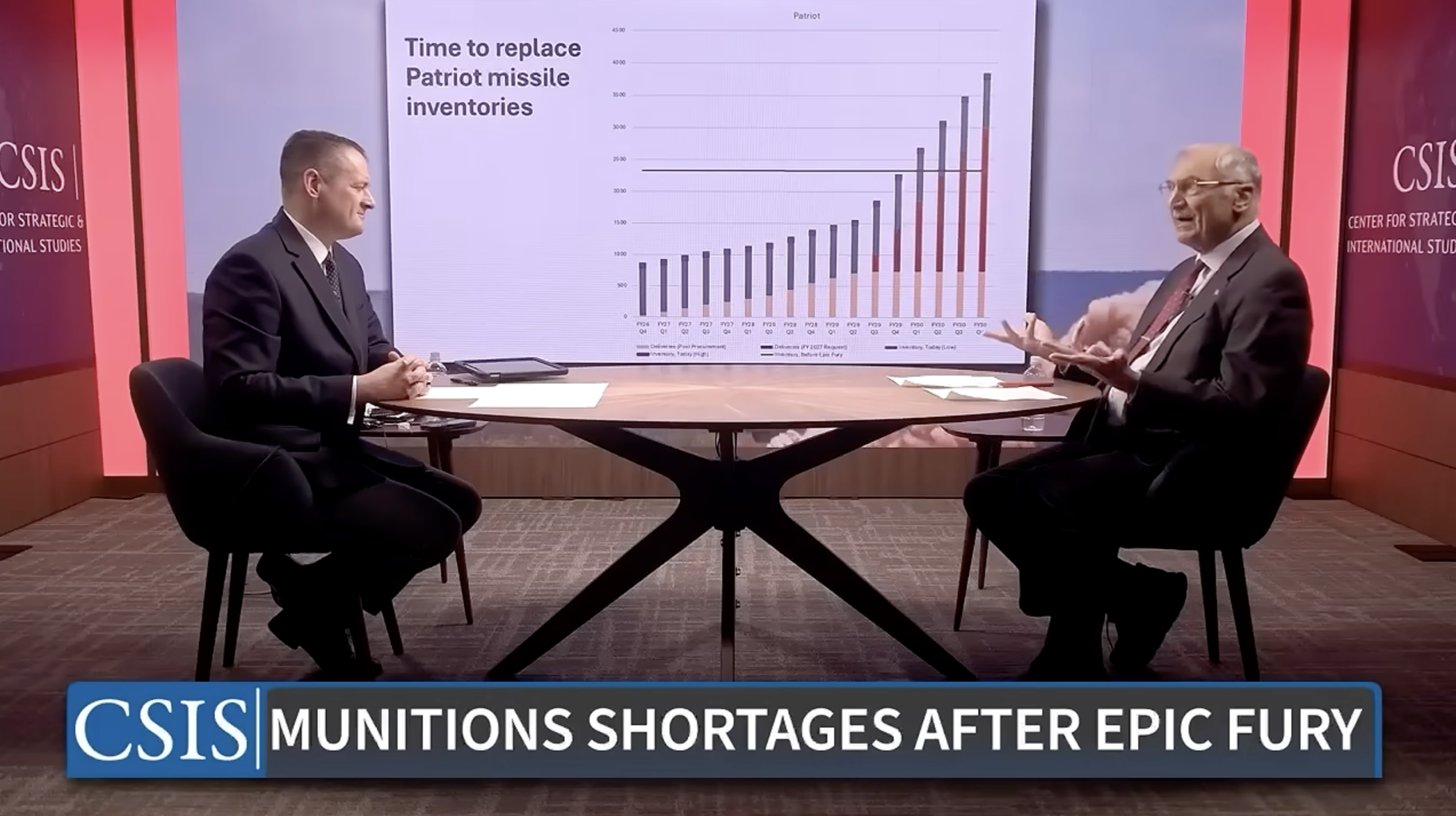
On August 5, 2026, Tom Karako and Mark Cancian discussed the state of U.S. munitions inventories after five months of sustained combat in Operation Epic Fury.
July 28, 2026
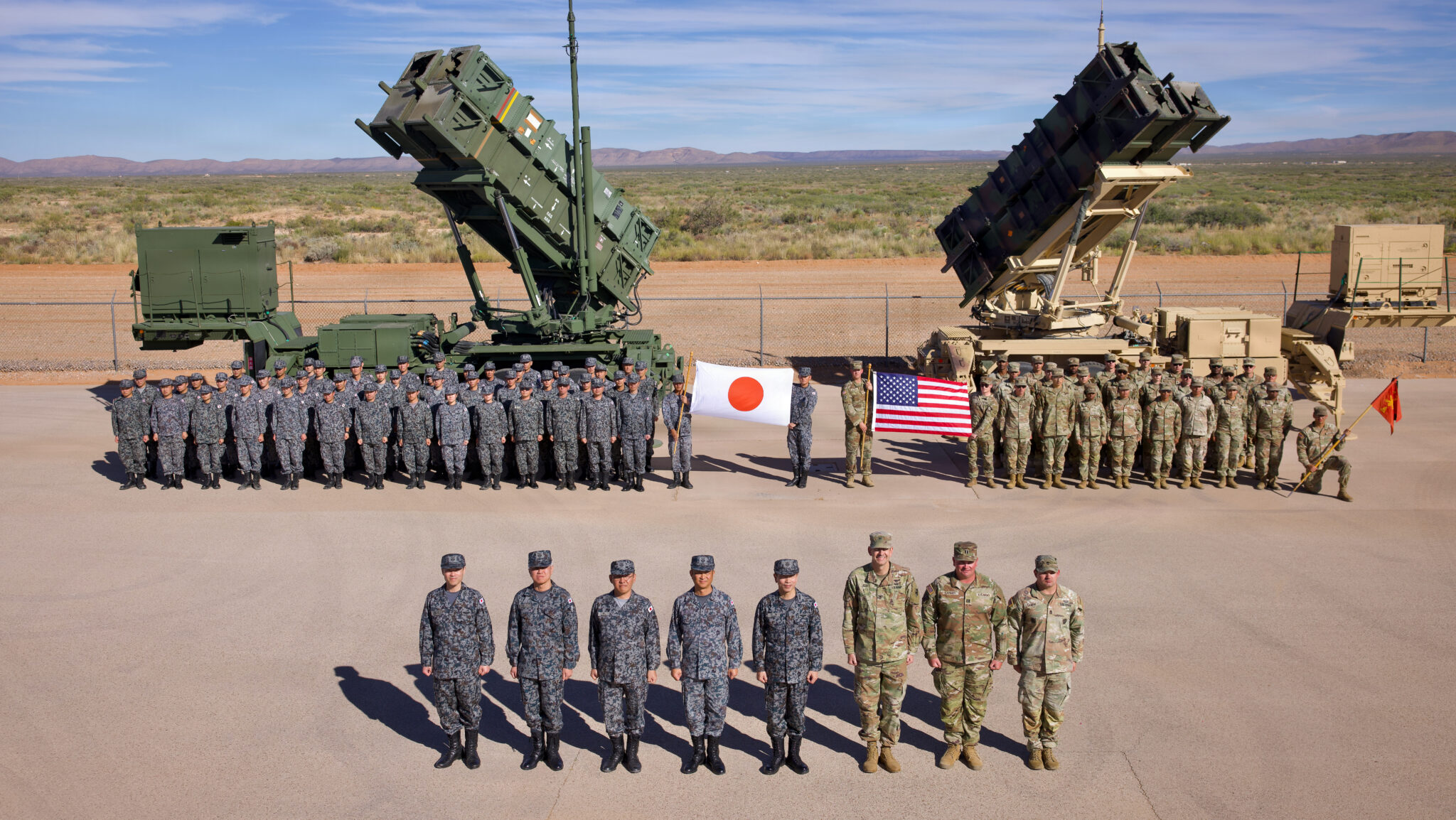
In the face of growing air and missile threats in the Pacific, robust radar coverage and command networks will be critical to US and Japanese defense objectives, Tom Karako writes.
July 21, 2026
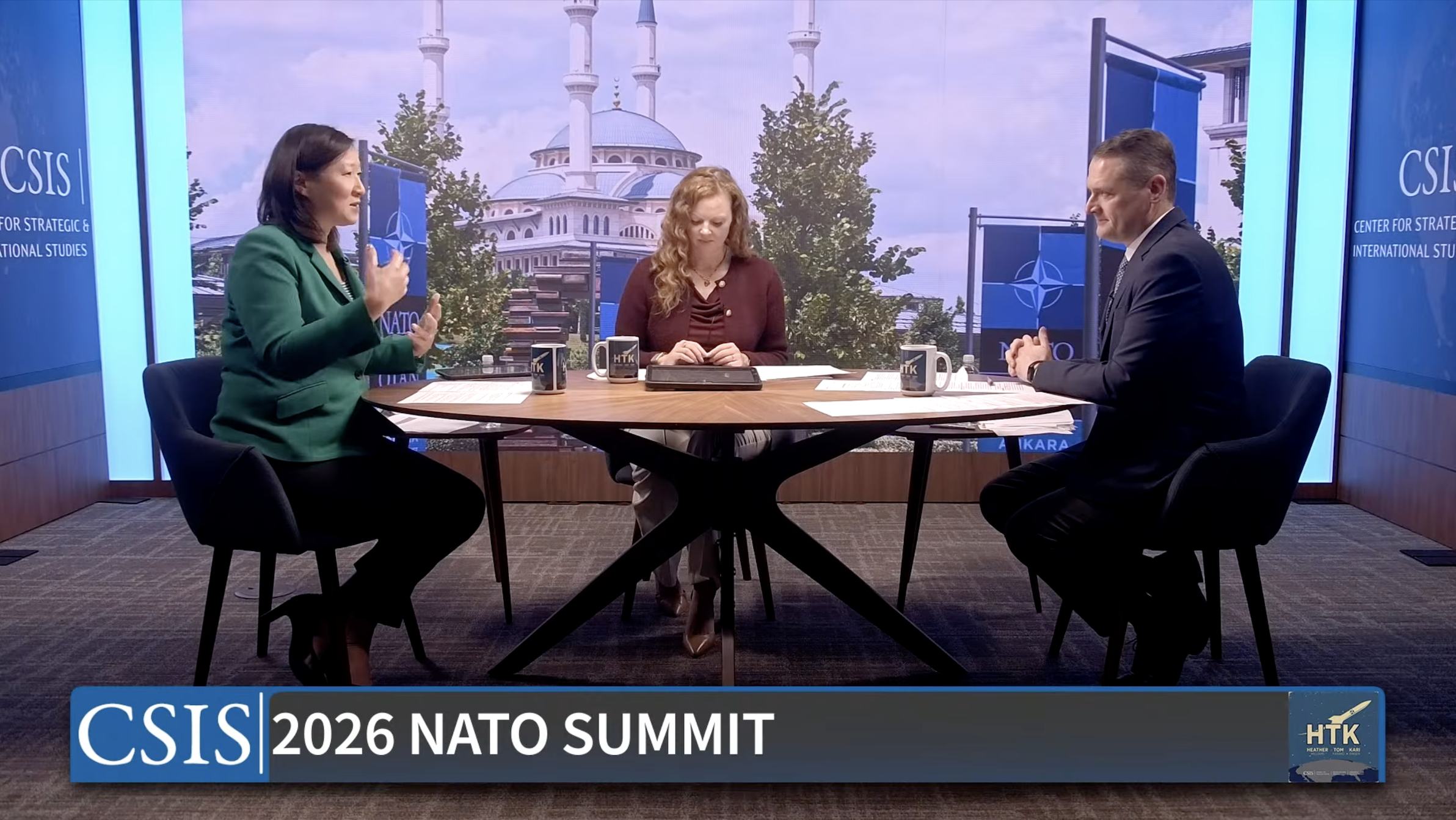
On July 21, 2026, CSIS Defense and Security Department experts discussed the events of the 36th NATO Summit, what the events of the Summit mean for European deterrence and defense, and how the U.S. can continue to strengthen Ukrainian missile defense.
July 14, 2026
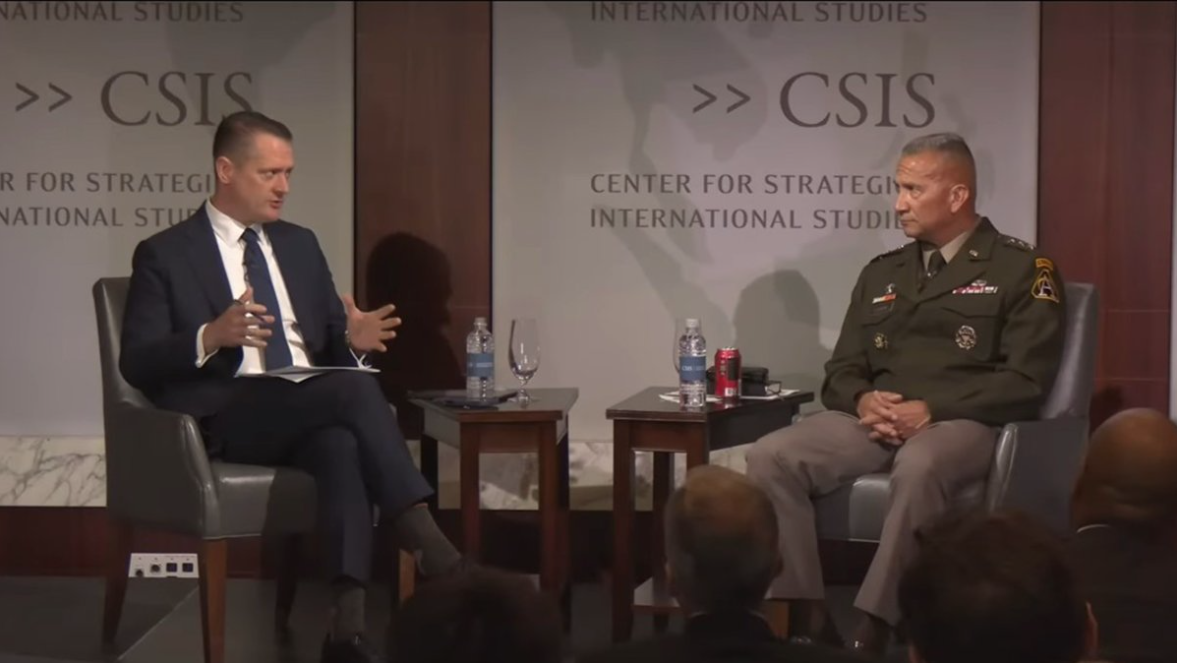
On July 14, 2026, CSIS's Tom Karako sat down with Lieutenant General Frank Lozano, the Army's portfolio acquisition executive for fires, to discuss transforming the fires and missile defense acquisition enterprise.

June 30, 2026
On June 30, 2026, the Defense and Security Department hosted the annual Global Security Forum. Tom Karako, joined by Congressman George Whitesides (D-CA), and Congressman Jeff Crank (R-CO), Chief Cathy Lanier, and Lieutenant General Daniel L. Karbler, discussed the spectrum of threats facing the homeland and how to strengthen national resilience.

June 18, 2026
On June 18, 2026, CSIS Defense and Security Department experts examined hypersonic delivery systems, what makes them strategically distinct, and whether the U.S. policy community should debate the merits of nuclear armed hypersonic missiles.
June 17, 2026
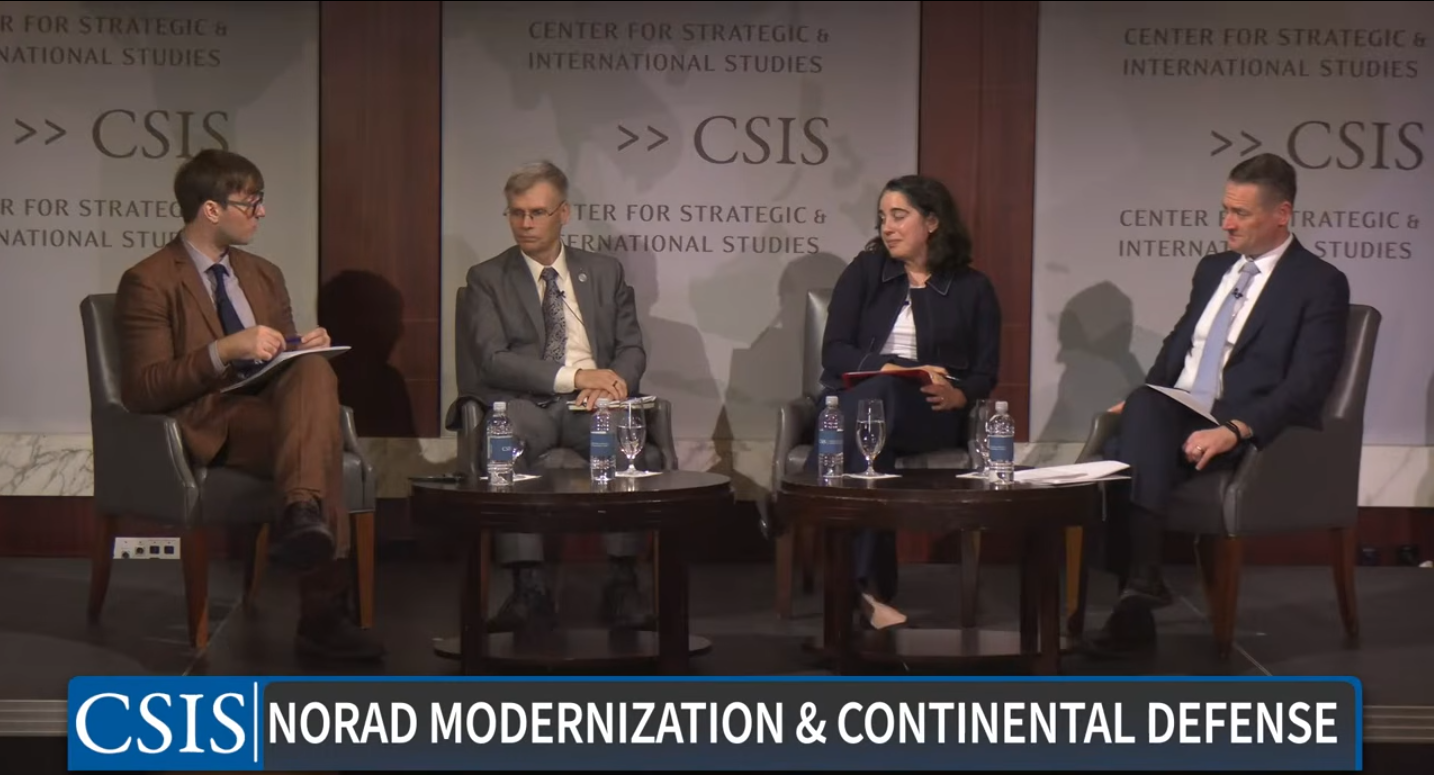
On June 17, 2026 CSIS experts examined NORAD modernization, geopolitical competition in the Arctic, and U.S.-Canada defense cooperation.
June 12, 2026
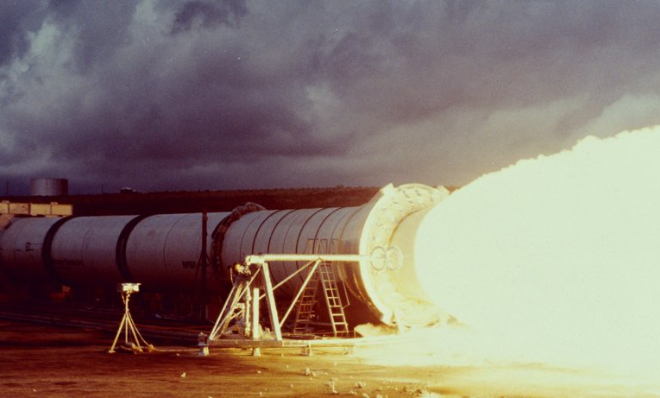
The reliance on missiles as weapons of choice, aggravated by the expenditure of key munitions in Operation Epic Fury, has created an urgent need to accelerate and scale the production of both offensive and defensive missiles. Using the industrial base for solid rocket motors (SRMs) and their subcomponents as a case study, the report identifies the key challenges and opportunities for scaling air and missile defense (AMD) interceptor supply chains.

June 12, 2026
On June 12, 2026, the CSIS Missile Defense Project is pleased to roll out its new report, Solid Rocket Motors for Missile Defense: Challenges and Opportunities for Expanding the Industrial Base.