72 items, Page 5 of 8

May 31, 2017
Missile threats facing both the United States and its allies in the Asia-Pacific are increasing in complexity, number, and source. In response, the Trump administration is using missile defenses to boost military capability and signal resolve, as indicated by the deployment of THAAD to South Korea...

May 30, 2017
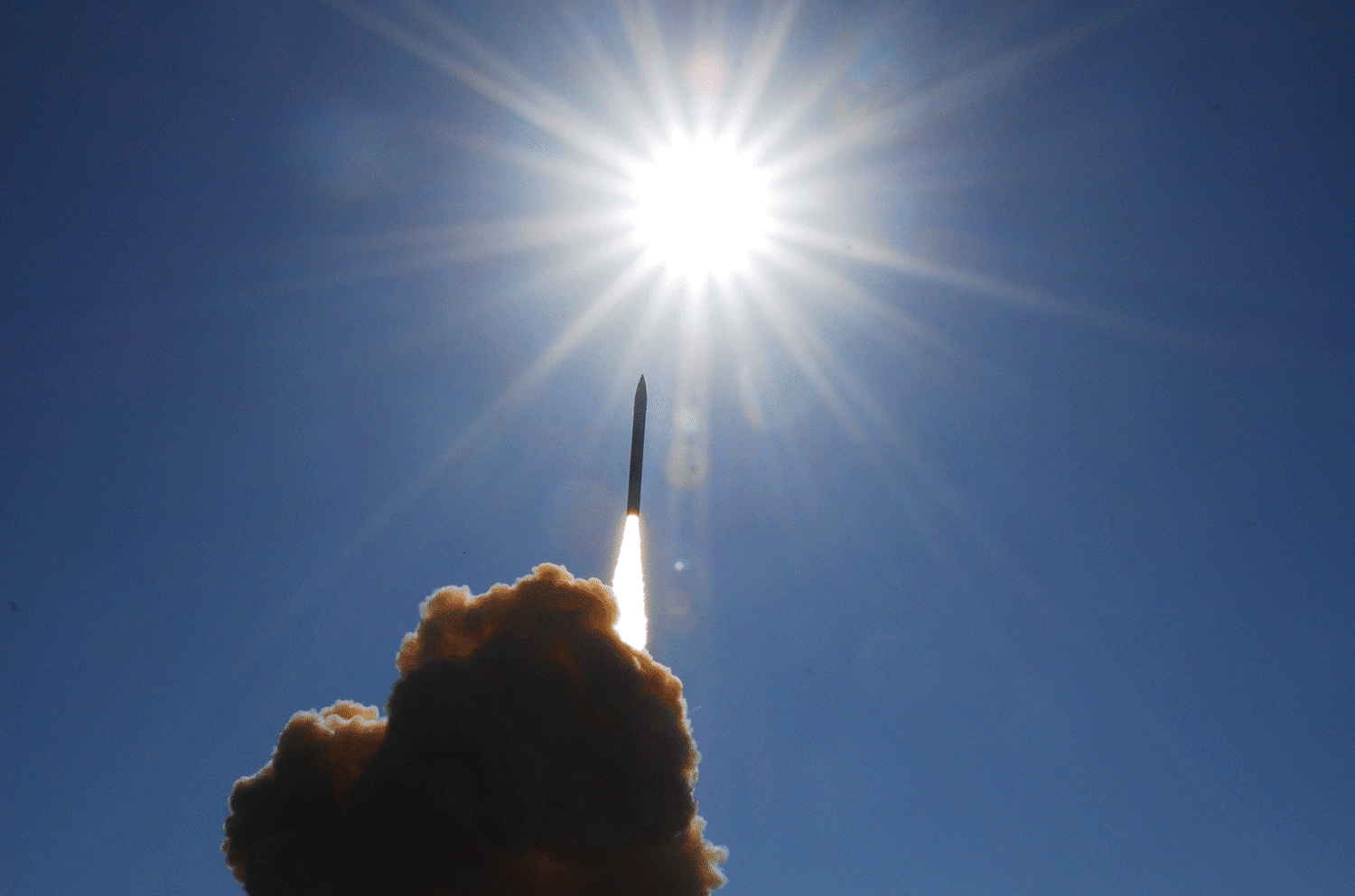
This is a good day for homeland missile defense, and a bad day for Kim Jong-un. Hit-to-kill missile defense has once again been validated, this time against a complex and challenging ICBM-class threat. The Missile Defense Agency has been on a long road to improving the reliability and capability of the Ground-based Midcourse Defense (GMD) program...

May 24, 2017
The Trump Administration’s proposed FY2018 budget for the Missile Defense Agency was released yesterday with a topline request of $7.9 billion. The amount represents $380 million more than the budget submitted by the Obama administration in FY 2017, a five percent increase, and $471 million more than the projected 2018 budget from last year’s Future...

April 17, 2017
This past weekend, North Korea conducted a major military parade, an annual affair to commemorate the birth of Kim Il-sung. The event included the conspicuous display of many missiles and artillery pieces, which together demonstrate the nation’s firm intent to develop new and longer-range capabilities, as well as its overall reliance upon such military forces....
April 7, 2017
In policy pronouncements over the last two administrations, the protection of the American homeland was regularly identified as the first priority of U.S. missile defense efforts. Homeland missile defense today is provided by the Ground-based Midcourse Defense program and other elements of the larger Ballistic Missile Defense System...

April 5, 2017
Should North Korea fire a long-range ballistic missile in anger, America’s only line of defense is an integrated system of interceptors and sensors known as the Ground-based Midcourse Defense system (GMD). The program currently provides a thin layer of defense against small-scale attacks of relatively unsophisticated missiles. This level of protection, however, will be strained...

April 5, 2017
Gaps in coverage leave interceptors less-equipped to defeat the threats of tomorrow. No missile defense is better than the sensors that tell the interceptors where to go and what to kill. The Ground-based Midcourse Defense system, or GMD, draws upon considerably more sensors for homeland defense than when operations began in 2004, but shortfalls remain....

March 7, 2017
The defense authorization act signed into law in December 2016 contained an important provision mandating a review of missile defeat policy, strategy, and capability, to be completed and submitted to Congress in January 2018. This Missile Defeat Review (MDR) appears likely to serve as a successor to both the Department of Defense’s 2010 Ballistic Missile...

March 2, 2017
In the series finale of the television show Breaking Bad, chemistry teacher-turned meth kingpin Walter White breaks into the home of an ex-business partner, who out of fear arms himself with a butter knife. “If we’re gonna go that way,” White says dryly, “you’ll need a bigger knife.” The man knows he cannot compete, and...

March 1, 2017
The national defense authorization act signed into law in 2016 contained a provision mandating a review of missile defeat policy, strategy, and capability, to be completed and submitted to Congress by January 2018...